
The Sumatran orangutan (Pongo abelii) is a critically endangered species native to the Indonesian island of Sumatra. This species of great ape is known for its striking reddish-brown fur, intelligence, and arboreal lifestyle. Understanding the habitat of the Sumatran orangutan is crucial for conservation efforts aimed at protecting these magnificent creatures.

Sumatran orangutan in their habitat
Geographic Range
Sumatran orangutans are found exclusively on the island of Sumatra, primarily in the northern regions. The largest populations are located in the Leuser Ecosystem, which spans the provinces of Aceh and North Sumatra. This area is one of the last strongholds for the species and provides the necessary environment for their survival.
Forest Types
Sumatran orangutans inhabit a variety of forest types, including:
- Lowland Rainforests: These are rich, biodiverse forests located at lower elevations. They provide abundant food sources and ideal conditions for orangutans. The dense canopy offers protection and opportunities for foraging.
- Montane Forests: Found at higher elevations, these forests are cooler and have different vegetation. Orangutans in these areas have adapted to the unique conditions, although these forests are less populated compared to lowland rainforests.
- Swamp Forests: These waterlogged forests provide a unique habitat that supports a diverse range of plant and animal life. Orangutans in swamp forests often have to navigate through waterlogged terrain, showcasing their adaptability.
Habitat Characteristics
The habitat of the Sumatran orangutan is characterized by:
- High Canopy Cover: Sumatran orangutans are primarily arboreal, spending most of their lives in the trees. The high canopy provides safety from ground predators and access to fruit, their primary food source.
- Diverse Flora: The forests are home to a wide variety of fruiting trees, vines, and other vegetation that provide a year-round food supply. Orangutans have a varied diet that includes fruits, leaves, bark, and occasionally insects.
- Water Sources: Proximity to rivers and streams is essential for hydration and as a resource for the forest’s vegetation.
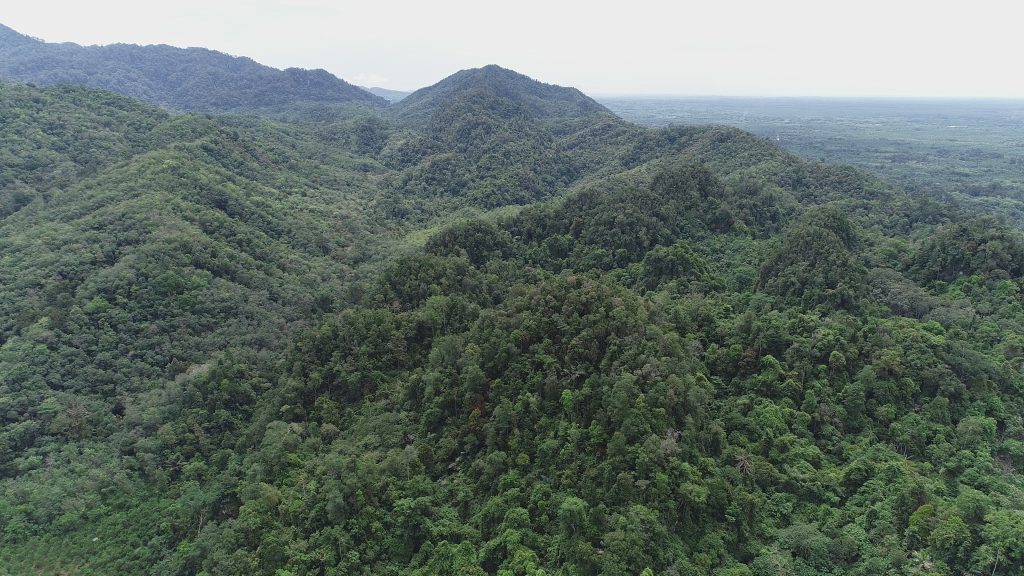
The preservation of the Sumatran rainforest is crucial for the survival of orangutans.
Threats to Habitat
The primary threats to the habitat of the Sumatran orangutan include:
- Deforestation: Logging, agricultural expansion, and palm oil plantations are the leading causes of habitat loss. Large swathes of forest are cleared, fragmenting the orangutan’s habitat and reducing their living space.
- Illegal Mining: Mining activities within protected areas lead to habitat degradation and pollution of water sources.
- Human-Wildlife Conflict: As humans encroach on forest areas, encounters with orangutans increase, often leading to conflict and harm to the animals.
Conservation Efforts
Efforts to protect the Sumatran orangutan and their habitat include:
- Protected Areas: Establishing and maintaining protected areas like national parks and wildlife reserves is crucial. The Gunung Leuser National Park is a significant sanctuary for these orangutans.
- Reforestation Projects: Initiatives to restore deforested areas help to rebuild the orangutan’s natural habitat.
- Community Engagement: Involving local communities in conservation efforts ensures sustainable practices and reduces human-wildlife conflict. Education and awareness programs help locals understand the importance of protecting orangutans.
