
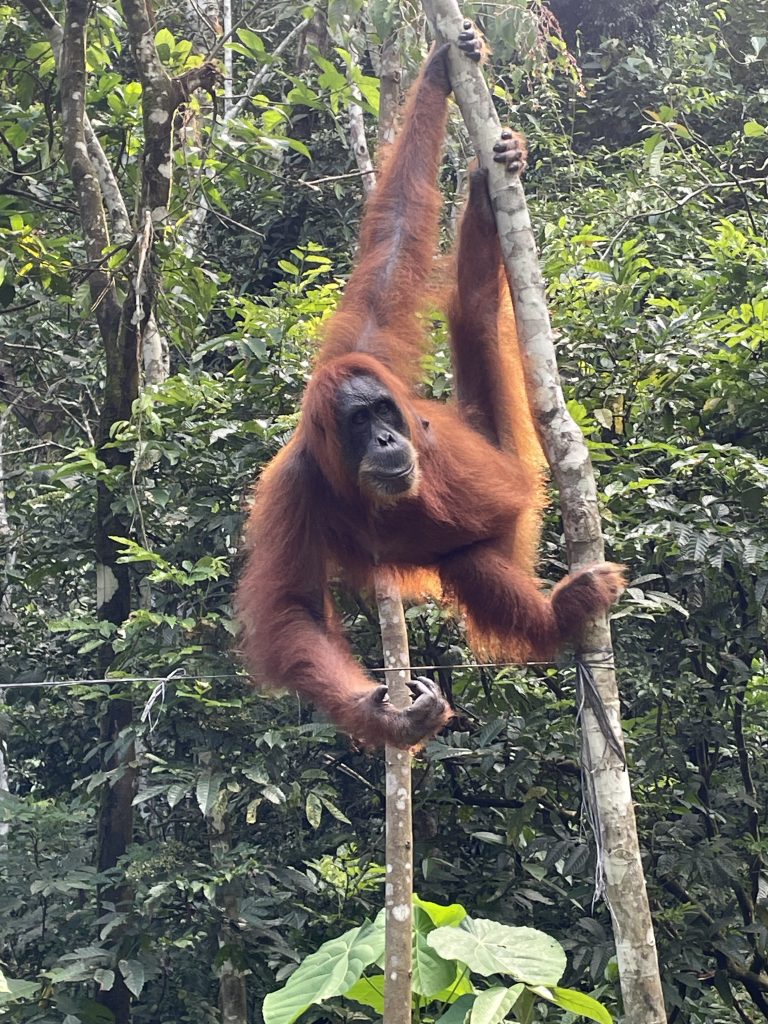
Orangutans are among the most fascinating and intelligent primates on Earth. They share approximately 97% of their DNA with humans and are known for their problem-solving skills and complex social behavior.
This article explores where orangutans live, the characteristics of their natural habitat, the threats they face, and why protecting their environment is essential for both wildlife and humans.
What Is an Orangutan Habitat?
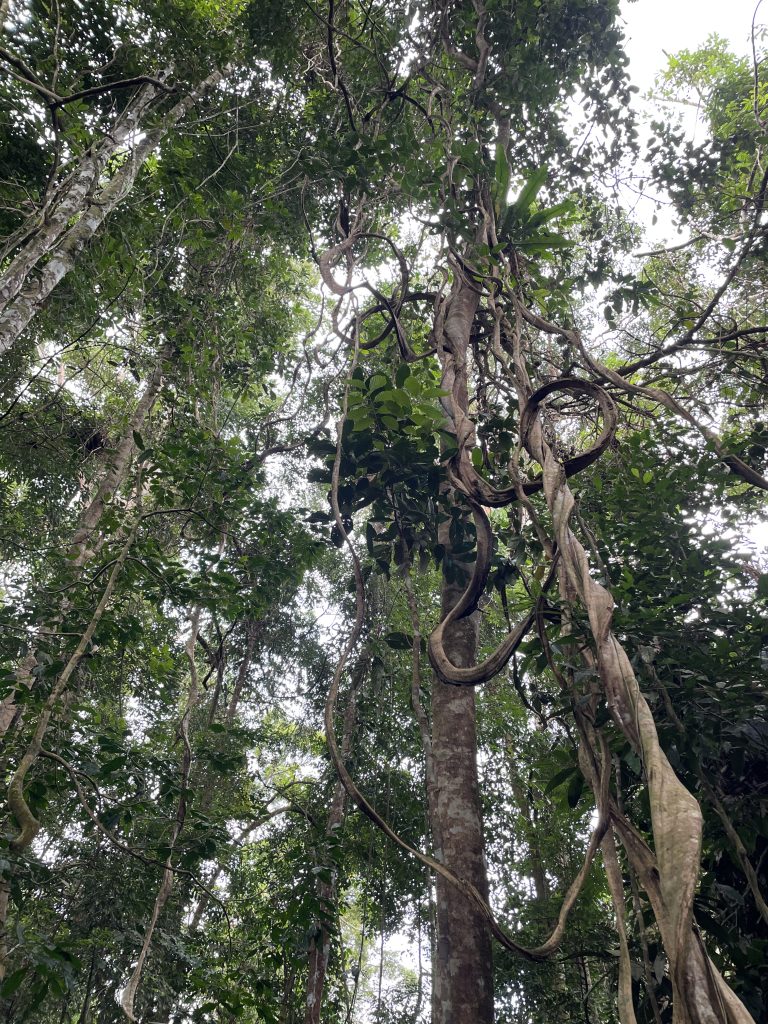
An orangutan habitat refers to the natural ecosystem where orangutans live and carry out their daily activities. Orangutans depend heavily on tropical rainforests that provide food, shelter, and safe spaces to raise their young.
Unlike many other primates, orangutans are mostly solitary and arboreal, meaning they spend most of their time in trees. As a result, their habitat must include tall trees with strong branches and a healthy forest canopy.
Geographic Distribution of Orangutan Habitat
Orangutans are native to Southeast Asia and are found naturally in only two places in the world: Borneo and Sumatra. These islands host different species of orangutans, each adapted to its specific environment.
Orangutan Habitat in Borneo
Borneo is home to the Bornean orangutan (Pongo pygmaeus). The orangutan habitat in Borneo includes:
- Lowland tropical rainforests
- Peat swamp forests
- Freshwater swamp forests
- Forests near rivers and floodplains
These environments are rich in fruit trees, which are essential to the orangutan diet. Bornean orangutans rely heavily on figs, jackfruit, and other seasonal fruits.
Orangutan Habitat in Sumatra
The Sumatran orangutan (Pongo abelii) lives primarily in the northern part of Sumatra. Their habitat consists of:
- Tropical lowland rainforests
- Mountain rainforests
- Dense forest canopies with high rainfall
Sumatran forests are generally denser and more productive than those in Borneo, allowing orangutans to live in closer proximity to one another.
Characteristics of a Healthy Orangutan Habitat
A healthy orangutan habitat has several important features that support survival and reproduction:
Dense Forest Canopy
Orangutans use trees for traveling, feeding, and nesting. A continuous canopy allows them to move safely without descending to the ground, where they are more vulnerable.
Abundant Food Sources
Orangutans are primarily frugivores, meaning fruit makes up most of their diet. Leaves, bark, insects, and flowers also play a role during periods of fruit scarcity.
Clean Water Supply
Freshwater sources such as rivers and swamps are essential for maintaining a healthy forest ecosystem and supporting wildlife.
Low Human Disturbance
Minimal human activity is critical. Roads, settlements, and industrial activities disrupt orangutan behavior and fragment their habitat.
Daily Life Within the Orangutan Habitat
Within their natural habitat, orangutans spend their days searching for food, building nests, and caring for their young. Each night, an orangutan builds a new nest high in the trees using branches and leaves.
Young orangutans remain with their mothers for up to eight years, learning survival skills such as identifying edible plants and navigating the forest canopy. This long learning period makes habitat stability especially important.
Threats to Orangutan Habitat
The biggest threat to orangutan habitat is human activity. Large areas of rainforest are destroyed every year due to:
- Deforestation
- Expansion of palm oil plantations
- Illegal logging
- Mining activities
- Forest fires
Habitat fragmentation forces orangutans into smaller, isolated areas, increasing competition for food and reducing breeding opportunities.
Impact of Habitat Loss on Orangutans
When orangutan habitats are destroyed, orangutans may be forced to enter human settlements in search of food. This often leads to conflict, injury, or death. Habitat loss also reduces genetic diversity, making populations more vulnerable to disease and extinction.
Why Protecting Orangutan Habitat Matters
Protecting orangutan habitat is vital not only for orangutans but also for the planet. Tropical rainforests:
- Store large amounts of carbon
- Help regulate global climate
- Support thousands of plant and animal species
By conserving orangutan habitats, humans help maintain ecological balance and fight climate change.
Conservation Efforts to Protect Orangutan Habitat
Various organizations and governments are working to protect orangutan habitats through:
- Establishing national parks and protected areas
- Reforestation programs
- Wildlife rehabilitation and release initiatives
- Sustainable land-use practices
Public awareness and responsible consumer choices also play a significant role in conservation.
Conclusion
The orangutan habitat is a complex and fragile ecosystem that supports one of the world’s most remarkable primates. Found in the tropical rainforests of Borneo and Sumatra, these habitats provide food, shelter, and safety for orangutans. Protecting and restoring orangutan habitats is essential to ensure their survival and preserve the biodiversity of our planet.
We are a local tour provider offering orangutan trekking with licensed local guides based in Bukit Lawang, please visit www.visitsumatranorangutan.com