
We began our journey in Bukit Lawang, a small village bordering Gunung Leuser National Park. This village is a popular stopover for travelers before entering the park.
We walked briskly to reach the park gate by 7 a.m. Normally, it takes about 30 minutes from Bukit Lawang to get there. Along the way, we passed local rubber plantations before arriving at the entrance to the magnificent Sumatran rainforest.
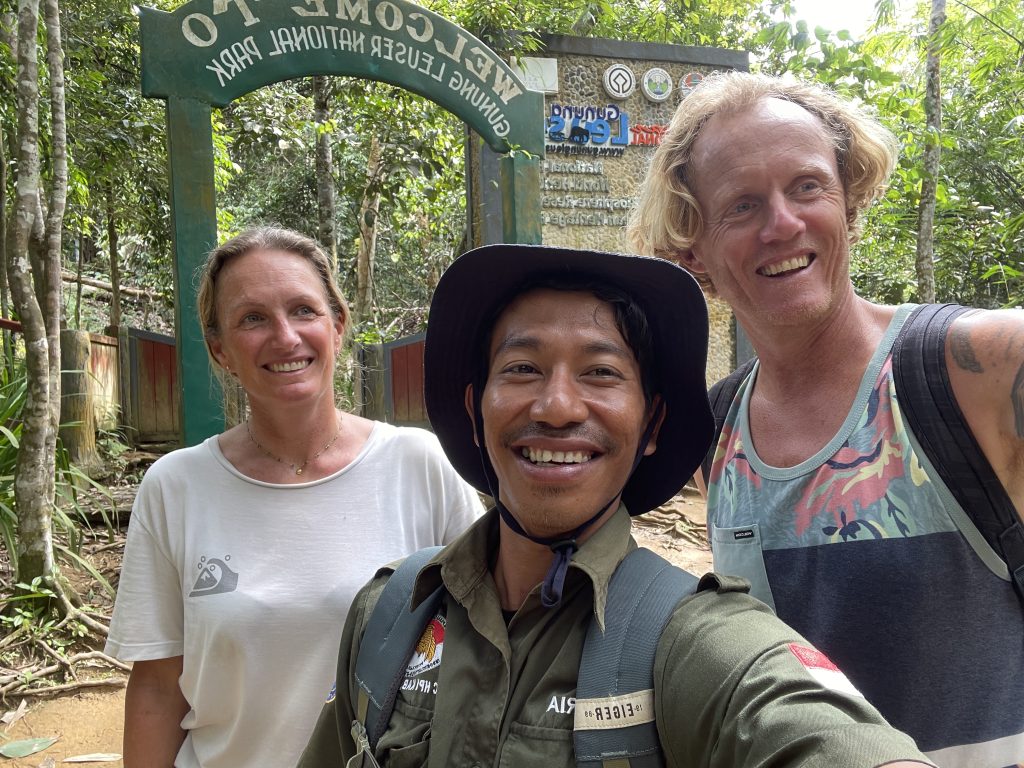
Starting early was important to us. During peak tourist season, the park can become crowded, as most trekking groups begin around 9 a.m. By setting off at 7, we hoped to enjoy a quieter experience.
From the gate, we entered the rainforest of Gunung Leuser. Our guides checked fruiting trees, since animals—especially orangutans—are often found feeding there.
The trail was narrow, with tree roots crisscrossing the path. The soil was yellowish and could become slippery and muddy after rain, though dry weather made it easier to walk. Even so, we had to stay alert to avoid tripping over roots.

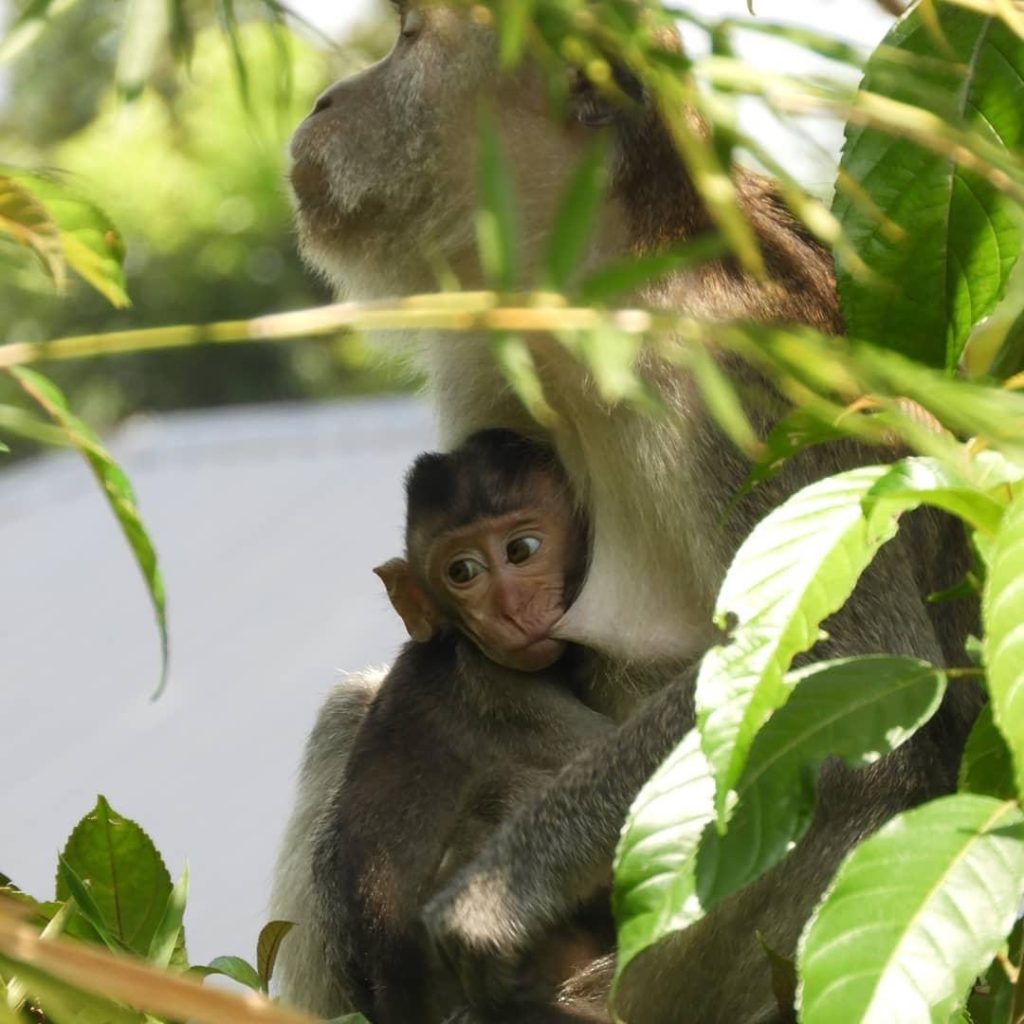
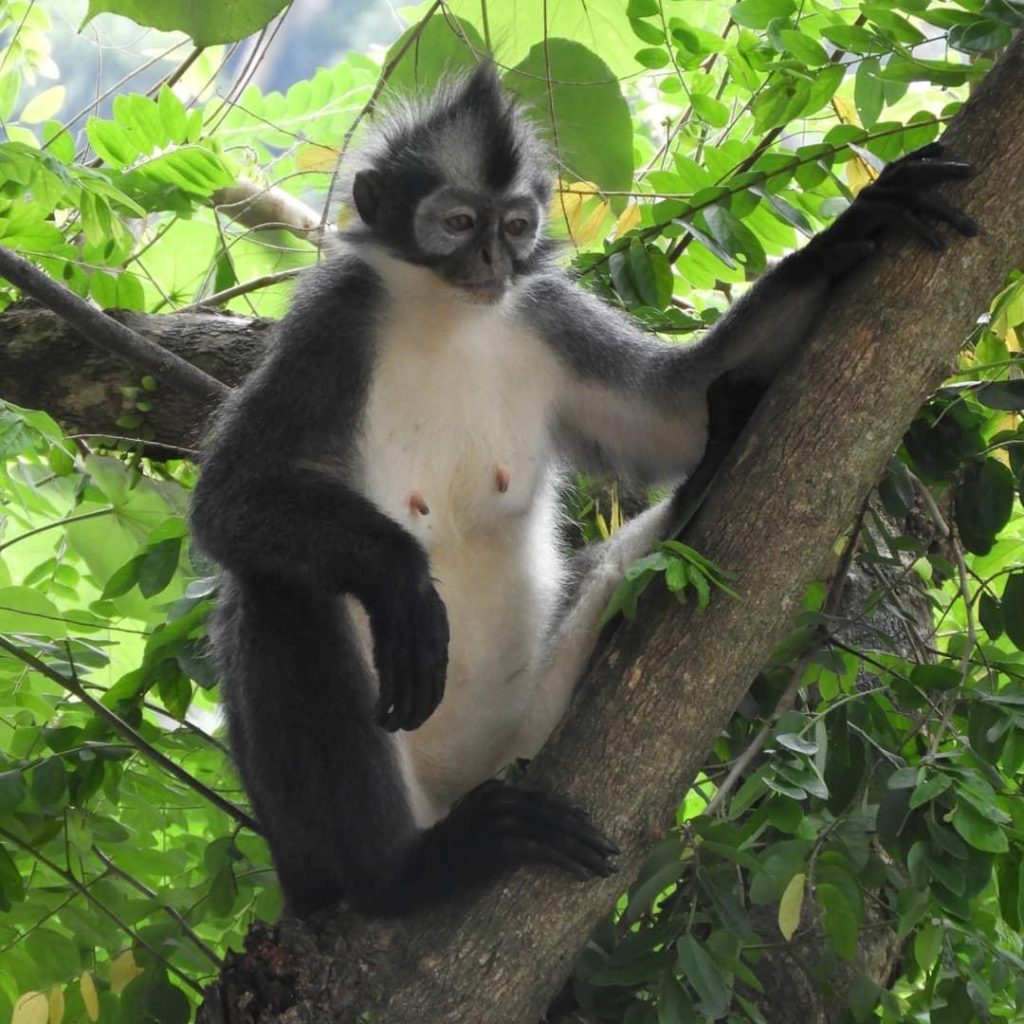
Inside the forest, the scenery was breathtaking. Towering trees and twisting lianas surrounded us. We encountered several monkey species: macaques moving in large groups on the ground, and Thomas leaf monkeys with their distinctive crests, living in smaller groups high in the canopy.
Encounter with Orangutan
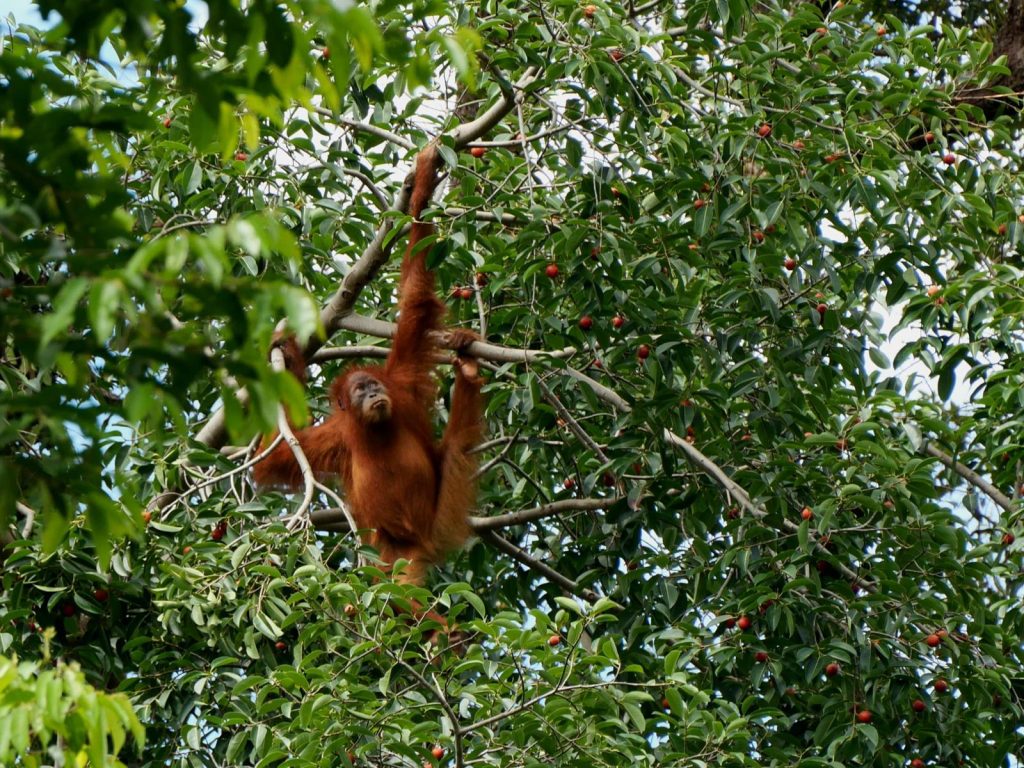
After two hours of trekking, we finally spotted an orangutan feeding in the treetops. It hung from branches while enjoying fruit.
Orangutans are arboreal, spending most of their lives in trees. They are also semi-solitary: males live alone, joining females only during mating season before returning to solitude.
Adult females, however, stay with their offspring for up to seven years, teaching them essential survival skills in the wild.
Do Orangutans Attack Humans?
Orangutans are territorial, especially males who defend their areas from rivals. However, there are no reports of wild orangutans attacking humans. Aggression is more likely in captivity or among semi-wild individuals in rehabilitation centers.
In the wild, orangutans usually avoid people. If disturbed, they may show displeasure by throwing branches to drive intruders away, signaling that we should leave their territory.
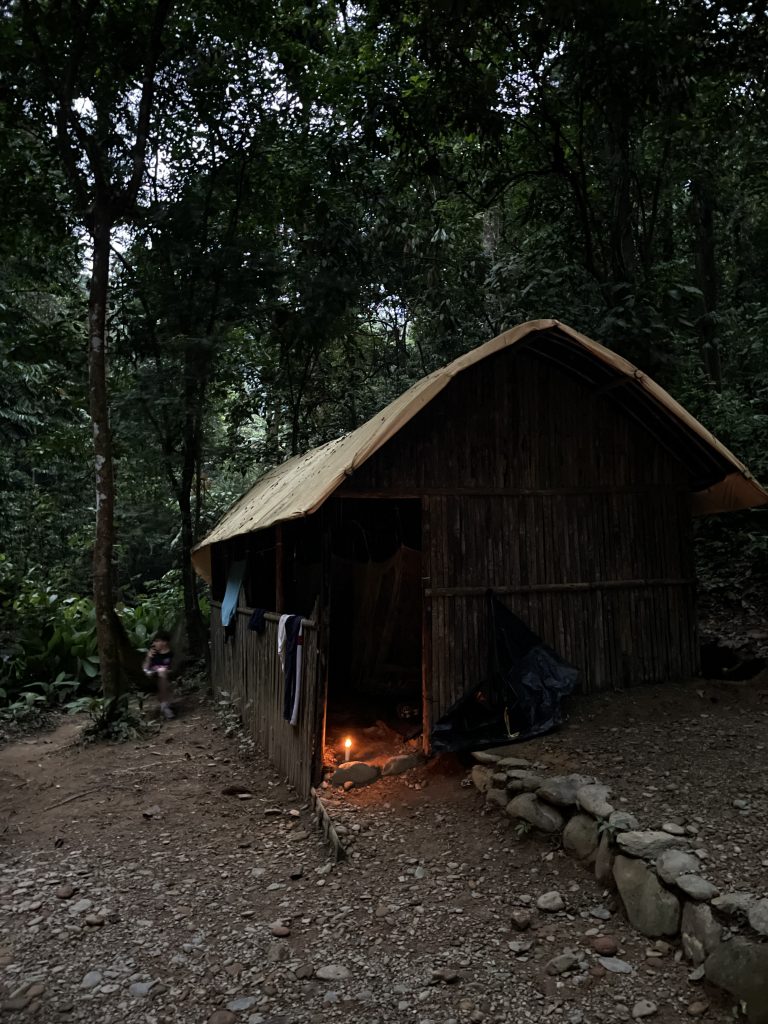
Setelah 8 jam berada di dalam Taman nasional dan juga sesi makan siang di hutan, jam 3 sore kami akhirnya tiba di tempat kami akan menginap, sebuah tenda dari bambu dengan atap plastik dan kami disambut dengan seorang tukang masak dari warga lokal.
Day Two: Trekking, Rafting, and Returning to Bukit Lawang
After eight hours inside the national park, including a lunch break in the forest, we finally reached our campsite at 3 p.m. It was a simple bamboo shelter with a plastic roof, where a local cook welcomed us warmly.
The camping facilities were surprisingly complete: mattresses, pillows, blankets, and—most importantly—mosquito nets. There was even a seated toilet available in the area.
In front of the campsite flowed a small, clear river where we could bathe and relax. Coffee and tea were also provided.
As night fell, we enjoyed dinner together in a peaceful atmosphere. Fireflies flickered around us, and we listened to the sounds of nocturnal animals—crickets, frogs, and birds. We built a campfire, since there was no electricity and internet connection was poor, which made the experience feel even more authentic
Day Two Morning: Trekking and Orangutan Encounter
After breakfast, at 8 a.m. we set off again, following a different trail from the first day in hopes of spotting more orangutans.
Just like before, we checked fruiting trees where wildlife often gathers. We were lucky once again—this time we encountered a large male orangutan. He was impressive, with a strong build, an oval face, and thick fur, weighing perhaps 80–90 kilograms.
We spent a long time observing him before continuing our trek. By noon, we arrived at the Bohorok River, where traditional rafting awaited us.

Traditional Rafting on the Bohorok River
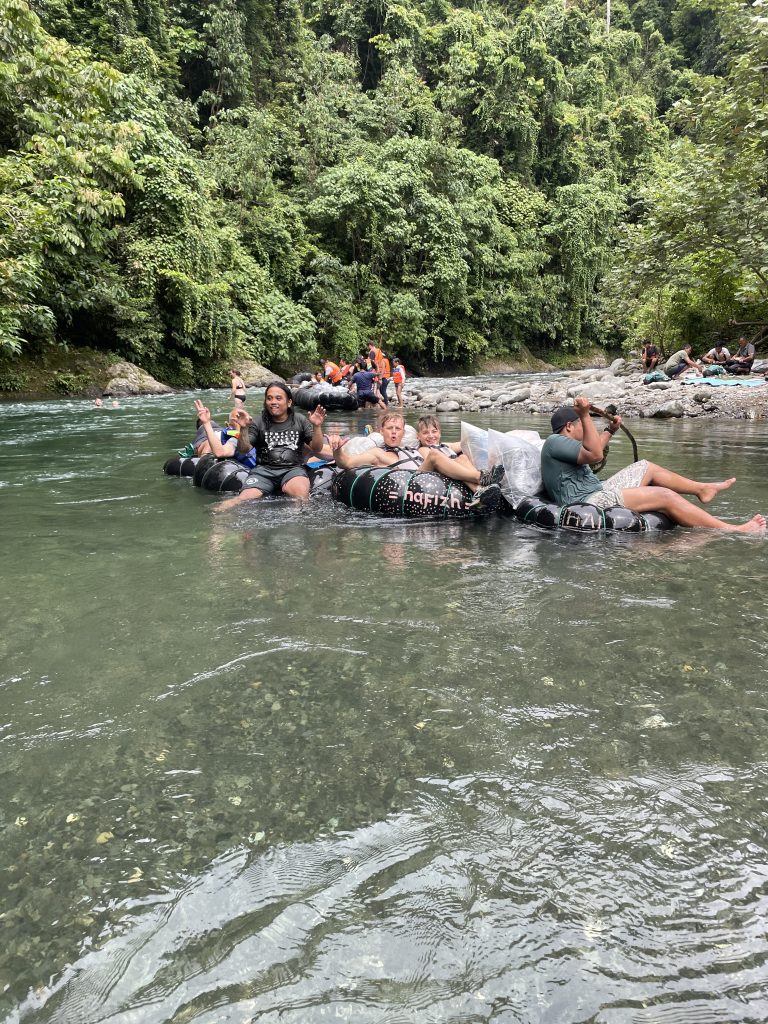
Local villagers had prepared everything: large inner tubes tied together to form rafts. Our belongings were packed into plastic bags to keep them dry during the ride.
The rafting journey took about 30 minutes, bringing us back to our hotel.
Back at the Hotel
Once at the hotel, we had time to rest, explore the village, or enjoy a meal at one of Bukit Lawang’s many affordable and delicious restaurants.
Our travel package also included a traditional massage at 5 p.m., lasting one hour—perfect for relaxation and easing sore muscles after trekking.
Farewell
The tour concluded with a transfer to the airport. It was truly an unforgettable experience—a once-in-a-lifetime adventure. Spending two days in the jungle without internet, immersed in nature, felt like a complete refresh for the mind.
About Us
We are a local travel agency based in Bukit Lawang, offering Sumatra orangutan trekking tours ranging from day trips to multi-day packages.
Our guides are licensed and experienced in the rainforest. By booking with us, you not only enjoy a unique adventure but also support the local economy and raise awareness of the importance of protecting the forest for the community.
Visit our website: www.visitsumatranorangutan.com
https://shorturl.fm/g9Djj
https://shorturl.fm/IiGwg
https://shorturl.fm/Yj3Eb
https://shorturl.fm/gdWpv
https://shorturl.fm/yRDqK
https://shorturl.fm/i8Ycz
https://shorturl.fm/dZojH