Jungle Trekking
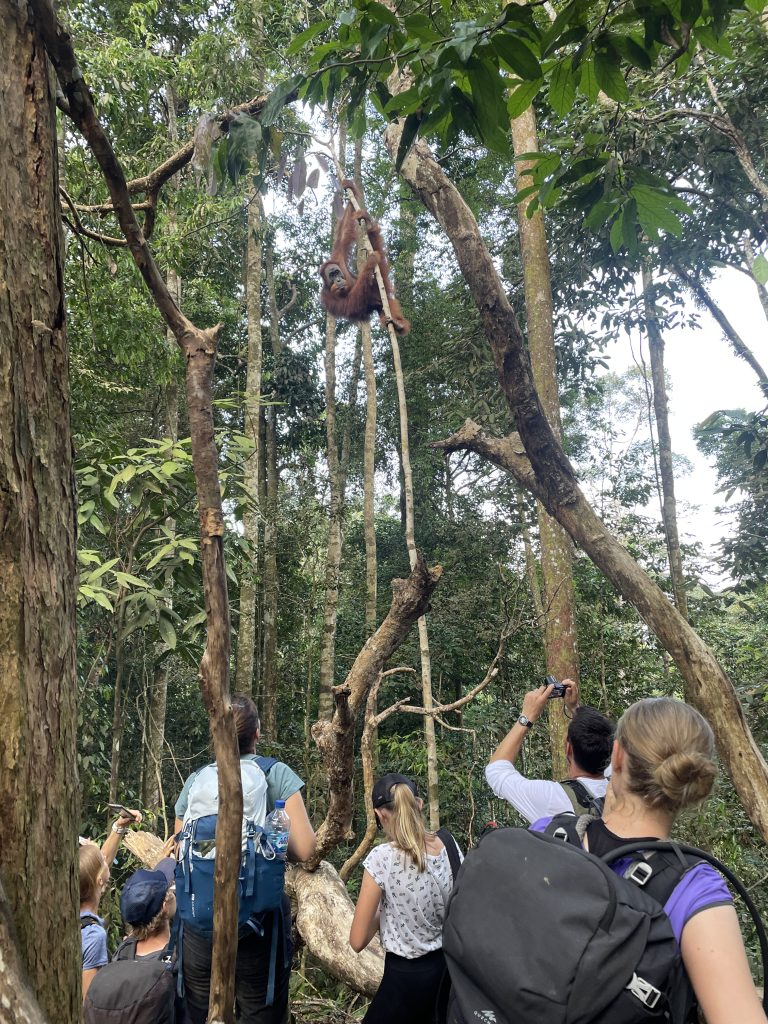
Jungle Trekking in Bukit Lawang is an immersive adventure through the lush rainforests of Gunung Leuser National Park, one of the last places on Earth where you can see critically endangered Sumatran orangutans in the wild
Here’s what makes it special:
- Wildlife Encounters: Besides orangutans, you might spot Thomas leaf monkeys, gibbons, hornbills, and even the elusive Sumatran tiger (though sightings are rare).
- Trek Options: You can choose from half-day walks to multi-day treks with overnight camping in the jungle. The longer the trek, the deeper you go into untouched rainforest.
- Local Guides: Treks are led by certified local guides who know the terrain and wildlife intimately. Many are part of ecotourism initiatives that support conservation and the local economy.
- Eco-Conscious Travel: Most tours follow strict guidelines to minimize environmental impact and respect wildlife, making it a responsible travel choice.
Expect river crossings, steep trails, and the thrill of sleeping under the jungle canopy. It’s not just a hike—it’s a full-on nature immersion
Elephant Sanctuary

While Bukit Lawang itself is famous for orangutan trekking, the elephant sanctuary experience is actually located in a nearby village called Tangkahan, about 1.5 to 2.5 hours from Bukit Lawang depending on the route.
Here’s what you can expect at the Tangkahan Elephant Sanctuary:
- Meet Rescued Elephants: The sanctuary is home to Sumatran elephants rescued from areas affected by illegal logging. They’re cared for by the Conservation Response Unit (CRU), which also works to protect the surrounding rainforest.
- Elephant Bathing: One of the highlights is helping bathe the elephants in the river—a hands-on, respectful way to interact with them. Riding is no longer allowed, which is a positive shift toward ethical tourism.
- Eco-Adventure Day Trip: Most tours from Bukit Lawang include scenic drives through palm and rubber plantations, a riverside lunch, and time to explore hot springs or nearby waterfalls before visiting the elephants.
- Conservation & Community Impact: Visiting supports local livelihoods and conservation efforts, making it a meaningful addition to your North Sumatra journey.
If you’re interested, I can help you compare tour options or plan a combined orangutan–elephant itinerary. Want to build a nature-packed day trip?
Giant Flower

The “giant flower” near Bukit Lawang refers to two of the most extraordinary blooms on Earth: the Rafflesia arnoldii and the Amorphophallus titanum (also known as the corpse flower). While they don’t grow directly in Bukit Lawang, you can find them in Batu Katak, a quiet village about 45 minutes away.
Here’s what makes them so fascinating:
- Rafflesia arnoldii: This is the largest individual flower in the world, with a diameter that can exceed 1 meter. It’s parasitic and has no visible leaves or stem. When it blooms (for just 4–5 days), it emits a strong odor similar to rotting meat to attract pollinators.
- Amorphophallus titanum: Known as the tallest flower in the world, it can reach over 3 meters in height. It also gives off a pungent smell—hence the nickname “corpse flower.” Its bloom is rare and unpredictable, making it a prized sight for nature lovers
Village tour

A village tour in Bukit Lawang is a peaceful, eye-opening journey into the daily life and traditions of rural Sumatra. It’s a perfect complement to jungle trekking—slower-paced, but rich in culture and connection.
Here’s what you can expect:
- Two Main Options:
- A 3-hour becak (tuk-tuk) tour through rice fields and plantations, where you’ll meet locals, learn about palm sugar production, and sample seasonal fruits.
- A 5-hour cycling tour that includes visits to traditional markets, tree planting, and even a riverside BBQ or swim.
- Hands-On Cultural Experiences: You might see how tofu is made, watch bamboo weaving, or learn how palm leaves are turned into roof thatching. These aren’t staged demos—they’re real people doing real work.
- Scenic Landscapes: The tours wind through rice paddies, rubber and cocoa plantations, and offer stunning views of Mount Leuser. It’s a photographer’s dream and a nature lover’s delight.
- Local Hospitality: Many tours end with a refreshing coconut drink or a traditional meal at a local warung. It’s a chance to slow down and soak in the rhythm of village life.
This kind of tour is ideal if you’re curious about how people live off the land, and it supports sustainable tourism by directly benefiting local communities. Want help picking the right tour or building it into your itinerary? I’d love to help you craft something meaningful
